

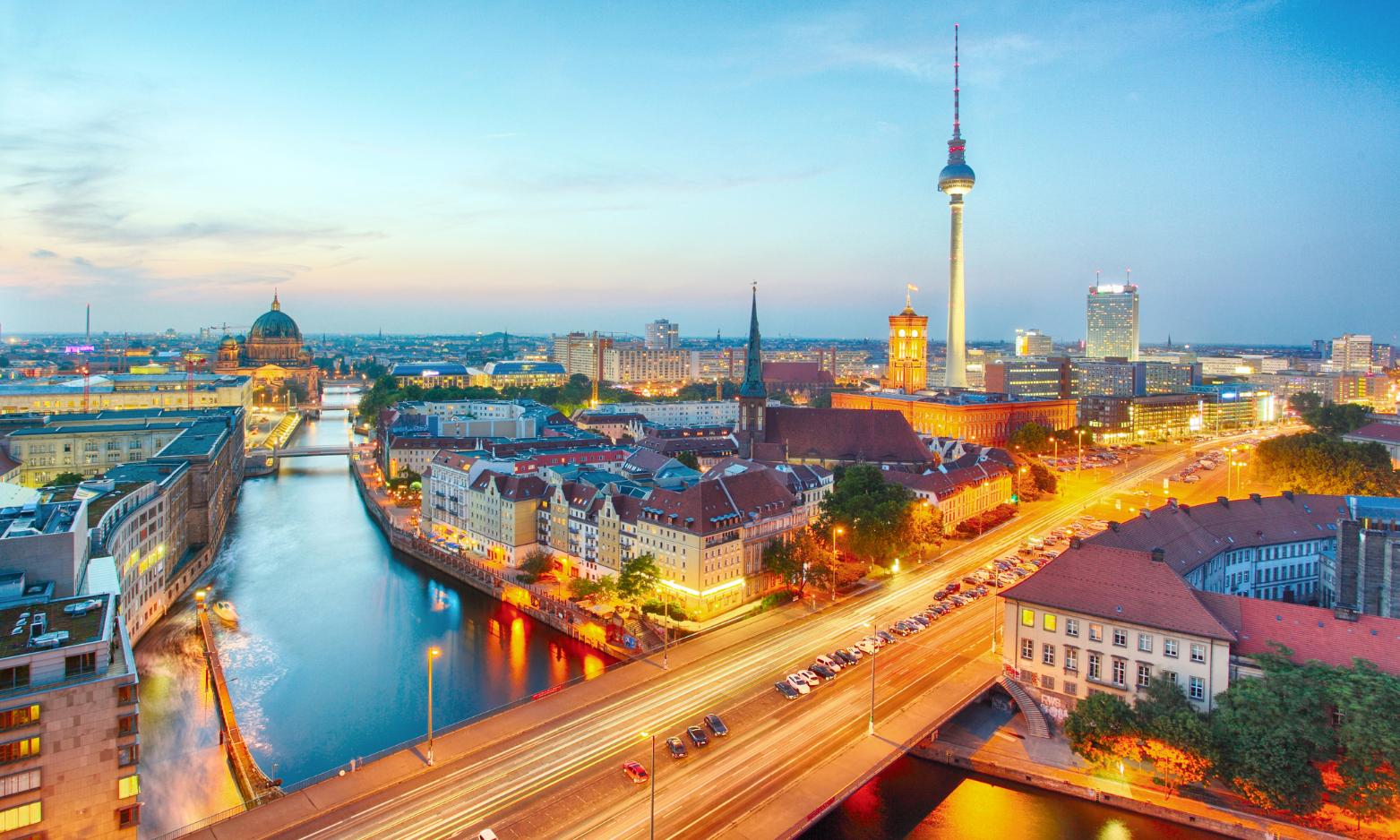
Why Study in the GERMANY?
Quick facts

Berlin
Capital
German
Language
+356
Dialing Code+49
Dialing Code
(€) Euro
Currency
Approx. 84 million*
Population
€1,000 per month
Living Expenses
Winter | Summer
IntakesEligibility Criteria
| Academic Qualifications | Equivalent to German higher education entrance qualification. |
| Language Proficiency | Proof of German (or English) proficiency depending on the programmes. |
| Entrance Exams | Some programmes may require standardized tests (e.g., TestAS) |
Required Documents
| Completed Application Form | Specific to the university. |
| Academic Transcripts and Certificates | Certified copies. |
| Proof of Language Proficiency | German or English. |
| Statement of Purpose | Explaining your motivation and goals. |
| Letters of Recommendation | From academic or professional referees. |
| Passport Copy | Valid for the duration of your stay. |
Visa Requirements
| Acceptance Letter | From a German university. |
| Proof of Financial Resources | Bank statements or blocked account. |
| Health Insurance | Valid in Germany. |
| Visa Application Form | Completed and signed. |
| Biometric Passport Photos | Recent photographs. |
| Valid Passport | With at least two blank pages. |
Cost of Study
| Undergraduate | At most public universities for international/non-EU students: usually nominal semester fees (≈ €100-€350) rather than full tuition |
| Post-graduate (Master’s) | For “consecutive” Master’s degrees (direct follow-on from a related Bachelor) often only administrative fees; but for non-consecutive or specialised programs: tuition can range from ~€1,500 up to €20,000+ per year. |
Please note : The information is sourced from the web and may vary. For the most accurate and up-to-date details, kindly consult official or government websites.
All You Need to Know About Studying in the GERMANY
Yes, many public and private universities in Germany offer Bachelor’s and Master’s programs in English, especially in fields like engineering, business, and technology.
If you're enrolling in an English-taught program, German isn't required for admission. However, learning basic German is highly recommended for daily life and improves your chances for internships and part-time work.
Germany generally has two intakes:
- Winter Semester: October (major intake)
- Summer Semester: April (limited courses)
Applications usually open 6–9 months in advance.
Yes. Non-EU students can work 120 full days or 240 half days per year. Many students take part-time jobs or internships during their studies.
After graduation, international students can apply for a Job-Seeker Visa, which allows them to stay in Germany for up to 18 months to find a job related to their field of study.